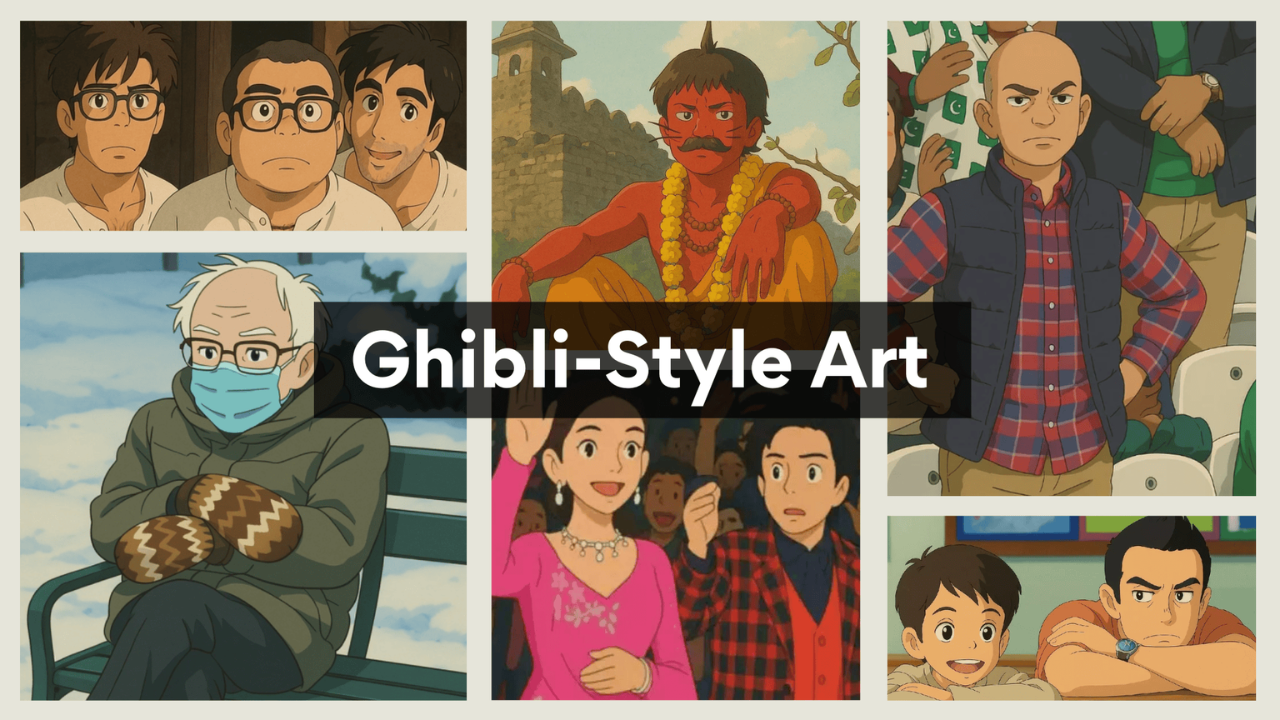
Ghibli Style Photos Generate: Bringing Studio Ghibli’s Magic to Life with AI
Studio Ghibli has captivated audiences for decades with its unique, dreamlike animation style, filled with vibrant landscapes, whimsical characters, and deeply emotional storytelling. Films like Spirited Away, My Neighbor Totoro, Princess Mononoke, and Howl’s Moving Castle have become iconic not only for their narratives but also for their breathtaking visual aesthetic. Today, that magical style is being brought into the real world through an exciting new trend: Ghibli style photo generation using artificial intelligence.
What is Ghibli Style?
Before diving into the AI generation process, it’s important to understand what defines the “Ghibli style.” At its core, Ghibli animation is known for:
- Soft, hand-drawn textures that feel warm and nostalgic
- Lush, natural landscapes inspired by Japanese countryside and European architecture
- Dreamlike lighting and color palettes that evoke emotion and fantasy
- Detailed and expressive characters that blend realism with whimsy
- A touch of surrealism, where ordinary scenes might include floating castles, spirits, or mythical creatures
It’s a combination that feels timeless—grounded in reality, yet otherworldly and imaginative.
The Rise of AI-Generated Ghibli Photos
In recent years, artificial intelligence—particularly through machine learning and image synthesis—has revolutionized creative industries. With tools like Stable Diffusion, Midjourney, and DALL·E, creators can now input a description, photo, or sketch and generate art in the style of Studio Ghibli with surprising accuracy.
Here’s how the process typically works:
- Input Image or Prompt: The user starts with either a real-world photograph (e.g., a selfie or landscape photo) or a text prompt like “a cozy cottage in the woods, Ghibli style.”
- AI Style Transfer or Text-to-Image Generation: The tool processes the input using a trained neural network that has learned from thousands of images in various styles, including Ghibli’s aesthetic.
- Output Generation: The AI creates a new image that captures the input content but renders it in Ghibli-inspired tones, colors, and textures.
The result is a striking blend of the original input with the enchanting flair of Studio Ghibli—whether it’s a portrait with wind-blown hair and glowing eyes or a city street turned into a magical village.
Popular Tools for Ghibli Style Photo Generation
There are several AI platforms available today that are especially good at generating Ghibli-style visuals:
- Midjourney: Known for its artistic output and attention to detail, Midjourney can produce Ghibli-like images by including prompts like “in the style of Studio Ghibli” or “anime, hand-drawn, fantasy.”
- Stable Diffusion: This open-source model allows more customization and experimentation, especially when combined with Ghibli-style checkpoints or LoRA (Low-Rank Adaptation) models specifically trained on Ghibli images.
- DALL·E 3: Developed by OpenAI, this tool can generate fantastical Ghibli-like scenes using simple descriptions. It’s more user-friendly and widely accessible.
- DeepArt and Prisma: These apps use style transfer methods, taking a photo and applying the Ghibli visual style like a filter.
Why Ghibli Style Generation is So Appealing
Ghibli-style AI images have found a strong fanbase for several reasons:
- Nostalgia and Emotion: People have a deep emotional connection to Ghibli films. Seeing themselves or familiar places in that style evokes warmth, comfort, and curiosity.
- Fantasy Meets Reality: Ghibli-style generation makes everyday scenes look magical, whether it’s a photo of your dog or a local park. It’s like stepping into an animated world.
- Creative Expression: Artists and fans can reimagine their surroundings, favorite characters, or original stories in a beloved visual language.
- Social Media Trend: Platforms like Instagram, Twitter (X), and TikTok are filled with Ghibli-style art trends, where users post “Ghibli-fied” versions of themselves or their travels.
Practical Uses and Future Potential
Beyond fun and fandom, Ghibli-style AI photos have potential in various creative industries:
- Game Design and Storyboarding: Developers can quickly create concept art or mood boards for Ghibli-inspired games or animation projects.
- Illustrated Books and Comics: Authors can visualize their stories in a Ghibli-like world without hiring full-time illustrators.
- Postcards and Decor: People are turning Ghibli-style images of their homes or cities into framed artwork and personalized gifts.
- Virtual Worlds and Metaverse: Imagine exploring a fully immersive, Ghibli-like digital world rendered in real-time through AI. That dream may not be far off.
Ethical and Artistic Considerations
As with all AI-generated art, there are ethical questions to consider. Studio Ghibli’s co-founder, Hayao Miyazaki, has famously criticized artificial intelligence in the arts, saying that machines lack soul. It’s important to acknowledge that these tools do not replace human creativity but rather remix and emulate existing styles.
Using AI to generate Ghibli-style content should be done respectfully, especially when it comes to commercial use. Giving credit to the original inspiration, avoiding misuse of Ghibli’s intellectual property, and using these tools to enhance—not replace—genuine storytelling are all important.
Final Thoughts
Ghibli-style photo generation is a beautiful example of how technology and art can merge to create new experiences. It allows people to view their world through a lens of wonder and nostalgia, paying homage to one of the most beloved animation styles in history. Whether you’re a fan, an artist, or just curious about the possibilities, stepping into a Ghibli-inspired version of your life—even for a moment—feels like a little slice of magic.


